Tamil Nadu’s 5,300-Year-Old Iron Evidence: World’s oldest?

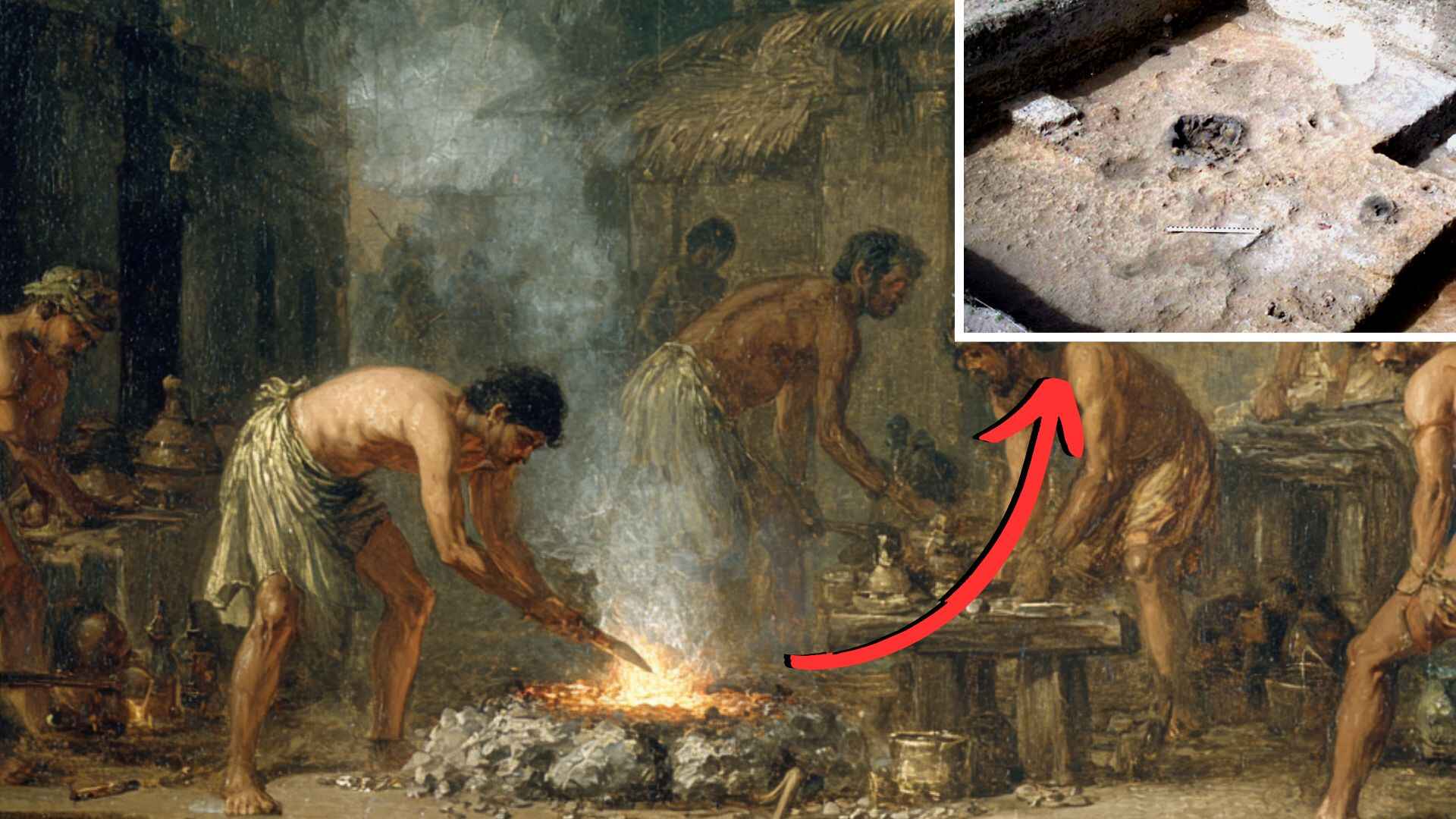
Scientific dates from Sivagalai in Tamil Nadu indicate that iron objects were present in archaeological contexts dating as far back as 3345 BCE. These results, published by the Tamil Nadu Department of Archaeology in 2025, could substantially revise the accepted history of iron technology in India and possibly the wider ancient world. Sivagalai is an … Read more

Were There Female Warriors at Sinauli? What the Evidence Shows

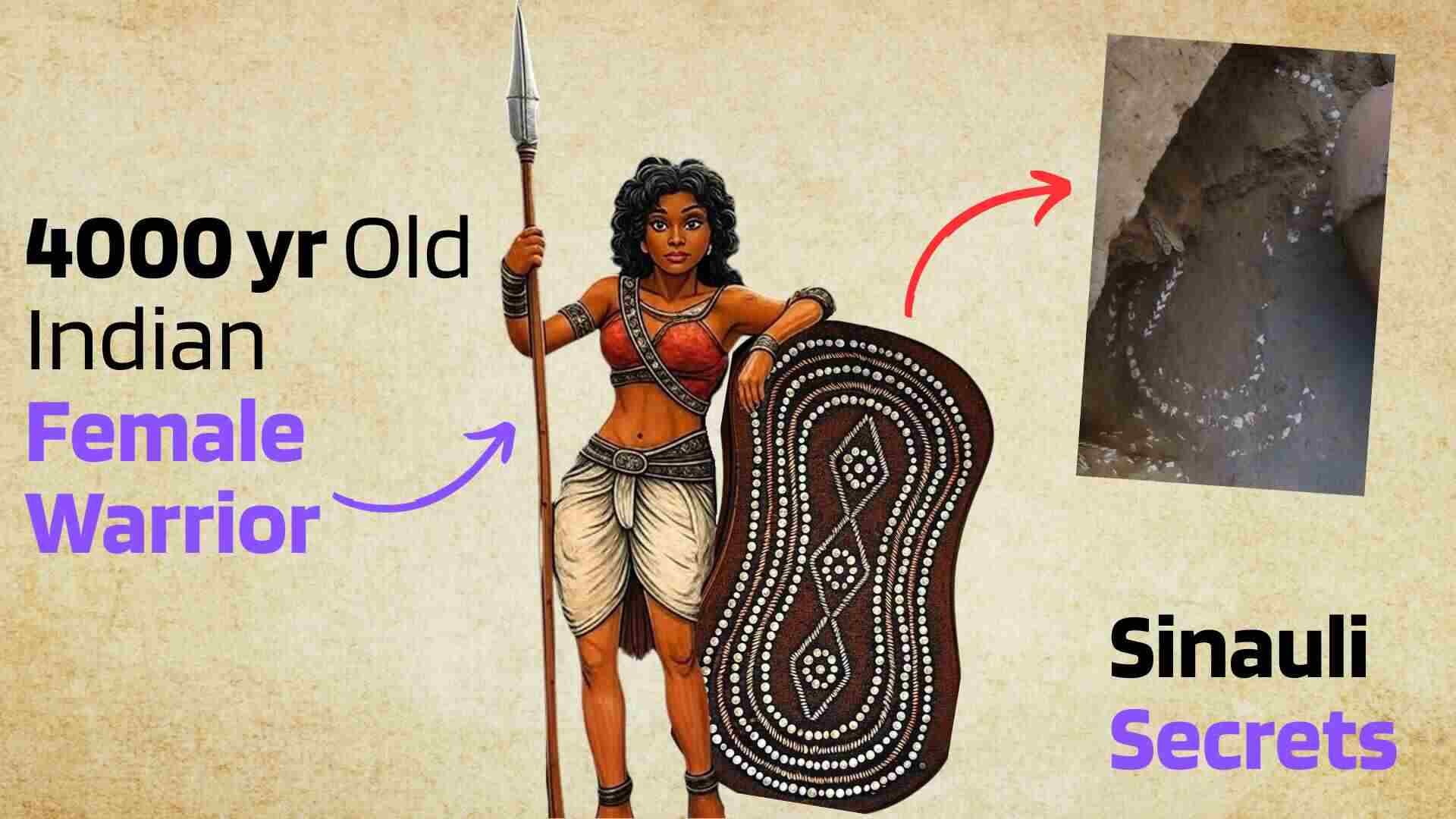
The ancient cemetery at Sinauli in Uttar Pradesh has produced some of India’s most remarkable Bronze Age discoveries. Archaeologists uncovered elaborate coffins, copper weapons and full-sized wooden vehicles covered with copper. One discovery attracted particular attention: a female burial containing objects associated with archery and warfare. Was this woman one of India’s earliest known female … Read more

Ancient Tamil Country: A Land Where Chinese and Romans traded goods

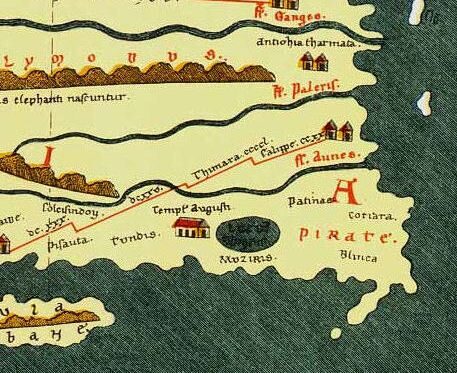
Ancient Tamilakam – the Tamil country of the Sangam period (c. 300 BCE – 300 CE) – stood as a vibrant coastal crossroads where diverse peoples converged. Bordered by the Indian Ocean and enriched by flourishing ports, Sangam-era Tamil Nadu was far from an isolated land. It was a cosmopolitan hub of the Old World, where traders … Read more

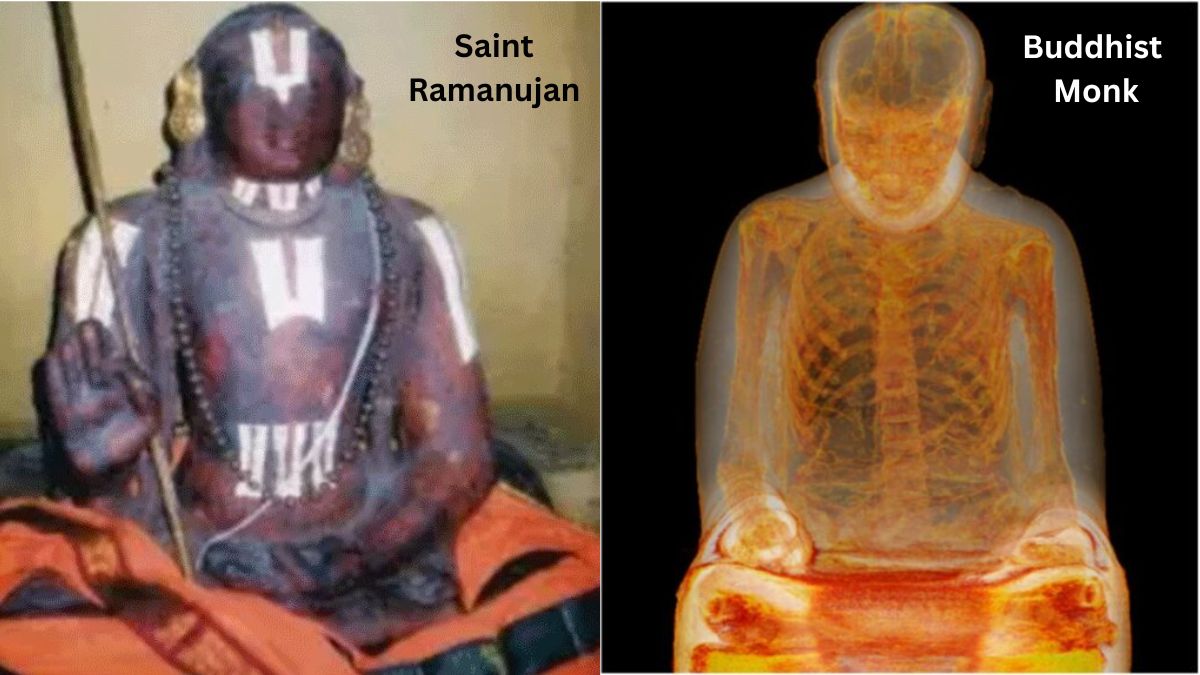
Is Ramanuja’s 900-Year-Old Body Preserved at Srirangam?

Inside the Sri Ranganathaswamy Temple at Srirangam is an unusual seated representation of the influential philosopher and theologian Ramanuja. Many devotees and temple accounts identify it as his preserved mortal body, maintained for centuries with saffron and camphor. Another historical interpretation says that Ramanuja’s remains were interred beneath the shrine and that the visible figure … Read more

The 4,000-Year-Old Brass Crown of Uttar Pradesh:Unearthing Royalty

Imagine holding a piece of history that whispers secrets of a forgotten era—a time when ancient civilizations thrived along the banks of the Indus River, crafting stories of power, ritual, and artistry. In 2018, archaeologists in Uttar Pradesh, India, unearthed such a treasure: a 4,000-year-old brass crown from the mature Harappan period (2200–2000 B.C.), discovered … Read more

Why 🇵🇰 Pakistan Loves Aurangzeb and Hates Akbar?

In Pakistan, Aurangzeb is often hailed as the ultimate Muslim ruler—a no-nonsense king who put faith above all. Pakistani textbooks and historians celebrate his reimposition of jizya, enforcement of sharia, and construction of the Badshahi Mosque as symbols of Islamic identity. For a nation founded on religious unity, Aurangzeb’s orthodoxy resonates deeply. His discipline and … Read more

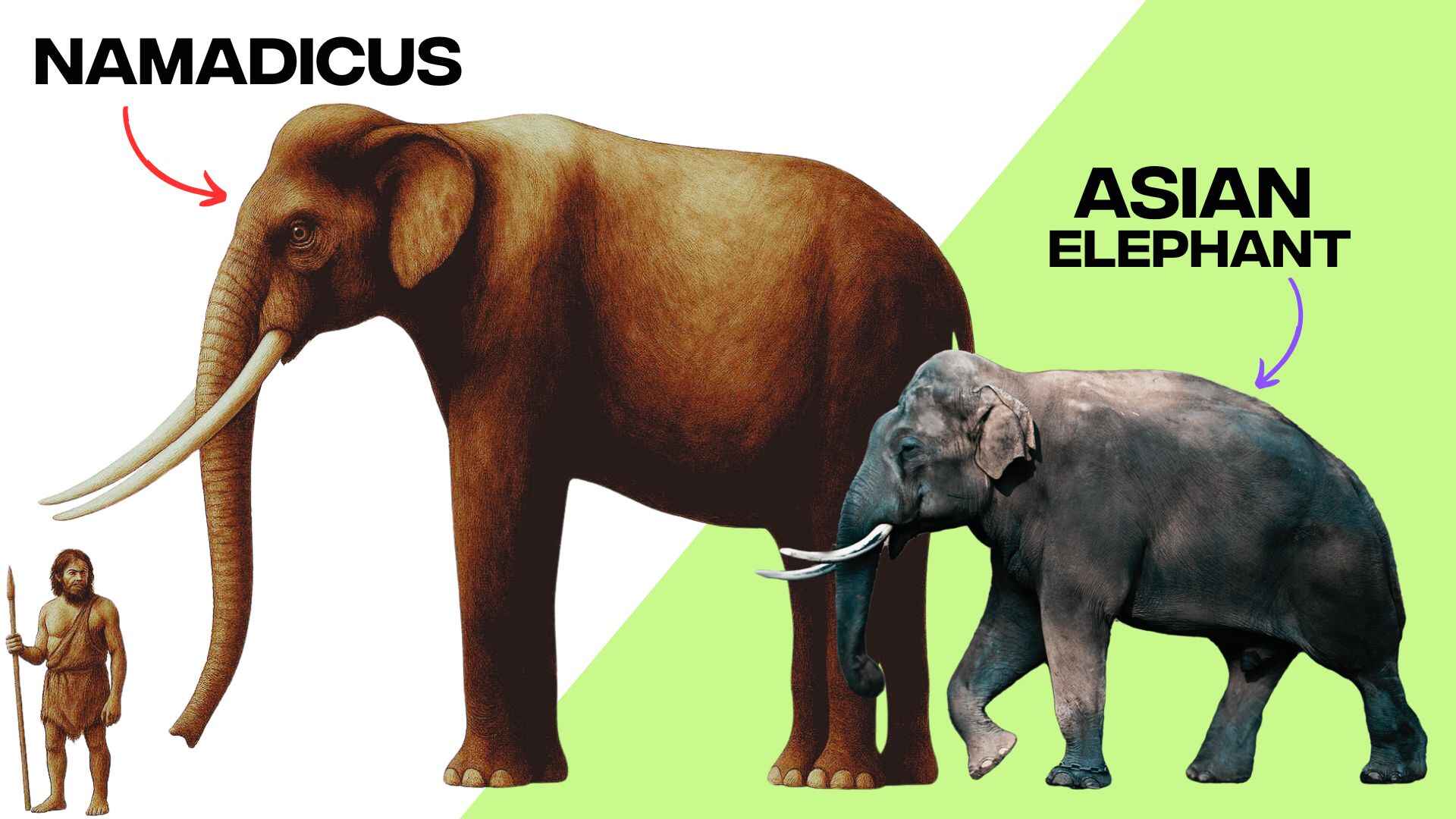
How Large Was Palaeoloxodon namadicus? India’s Giant Prehistoric Elephant

During the Pleistocene, the Indian subcontinent was inhabited by an elephant considerably larger than any living elephant.Known as Palaeoloxodon namadicus, it belonged to an extinct group commonly called straight-tusked elephants. Fossils attributed to the species have been reported from river valleys and sedimentary deposits across northern and central India.Its enormous size has produced eye-catching claims … Read more

The Chola Naval Empire: A List of Ancient Ships That Dominated the Indian Ocean

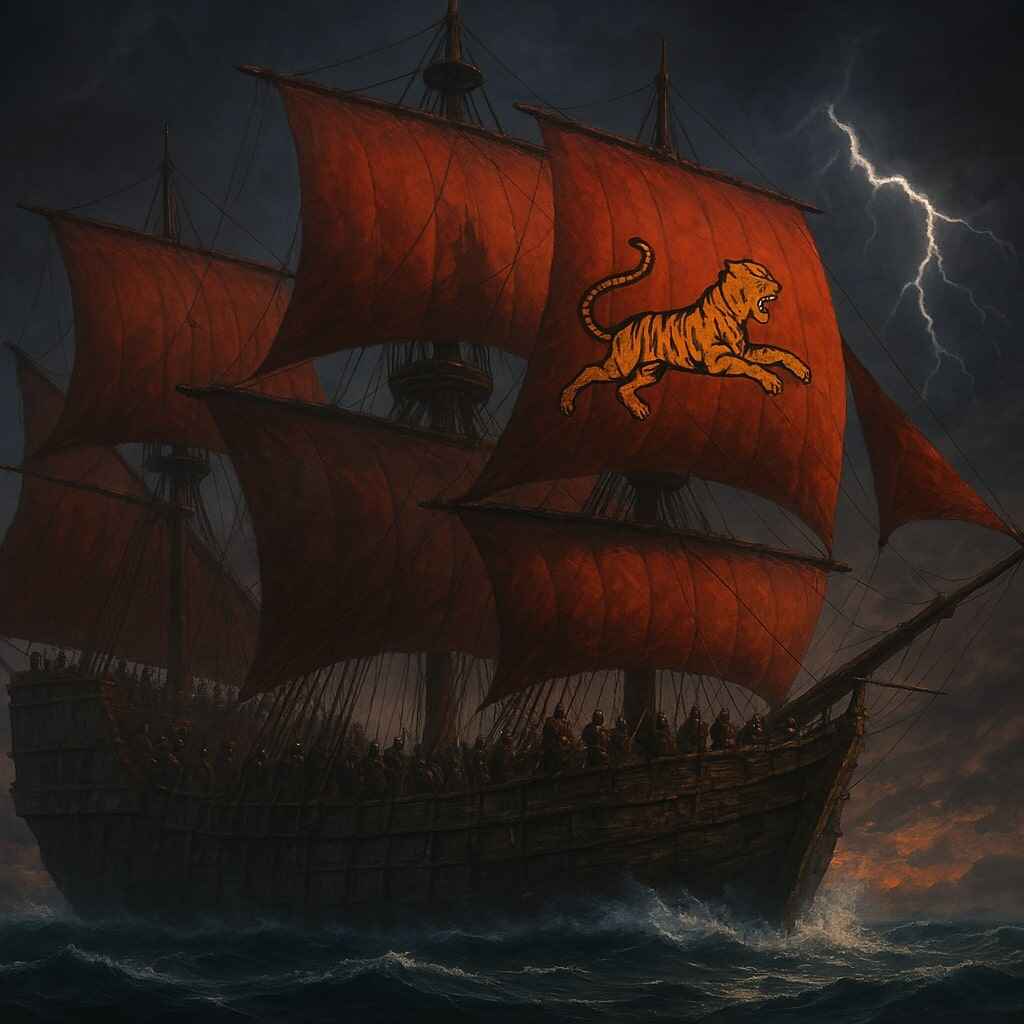
The Chola dynasty, one of the most powerful empires in South Indian history, developed a sophisticated navy that enabled them to dominate trade and military operations across the Indian Ocean. Below is a detailed description of each type of vessel used during the Chola period, including their dimensions, purposes, and two image prompts for each: … Read more

Did Deccan Volcanism Kill Ariyalur’s Dinosaurs? What the Evidence Shows

Ariyalur in Tamil Nadu preserves one of southern India’s most important records of the Cretaceous Period. Its sedimentary rocks contain marine fossils, petrified wood and fragmentary evidence of dinosaurs that lived near the end of the age of reptiles. At approximately the same time, enormous volcanic eruptions were transforming western and central India. These eruptions … Read more

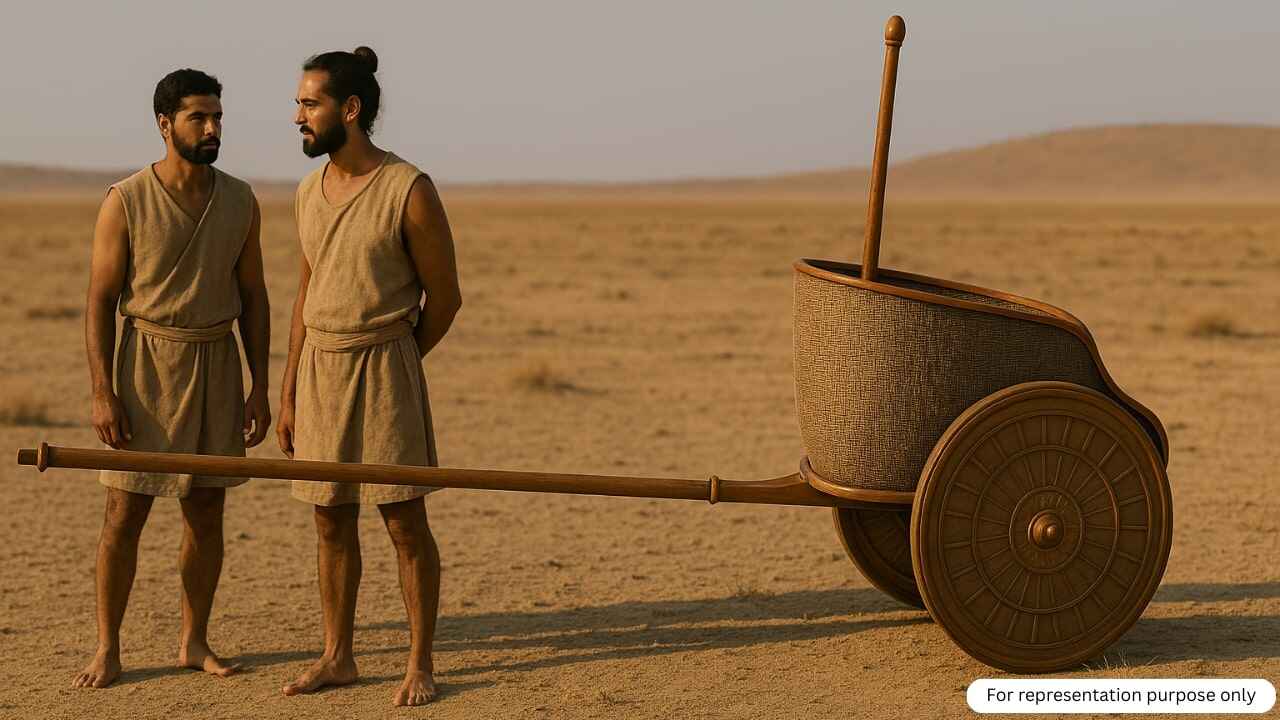
The Sinauli Vehicles: Chariots or Carts? What the Evidence Shows

Key takeaway: Archaeologists at Sinauli discovered three full-sized copper-clad wooden vehicles in elaborate burials. The excavation team identifies them as chariots, but the absence of horses, horse equipment and spoked wheels leaves their exact function open to debate. The discovery of three ancient vehicles at Sinauli in Uttar Pradesh has raised important questions about transport, … Read more